The Future of Predictive Maintenance

In today’s fast-paced industrial world, downtime is costly. Equipment failures can halt production, waste resources, and increase operational expenses. That’s why I believe AI predictive maintenance is not just a trend but a necessity for industries like water treatment, food & beverage, pharma, utilities, and chemicals. By leveraging artificial intelligence, we can anticipate equipment issues before they happen, optimize maintenance schedules, and ultimately save time and money.
How AI Predictive Maintenance is Changing the Game
AI predictive maintenance uses data from sensors, machines, and historical records to forecast when equipment might fail. Unlike traditional maintenance, which often relies on fixed schedules or reactive repairs, AI-driven systems analyze patterns and anomalies in real time. This means maintenance happens exactly when needed, not too early or too late.
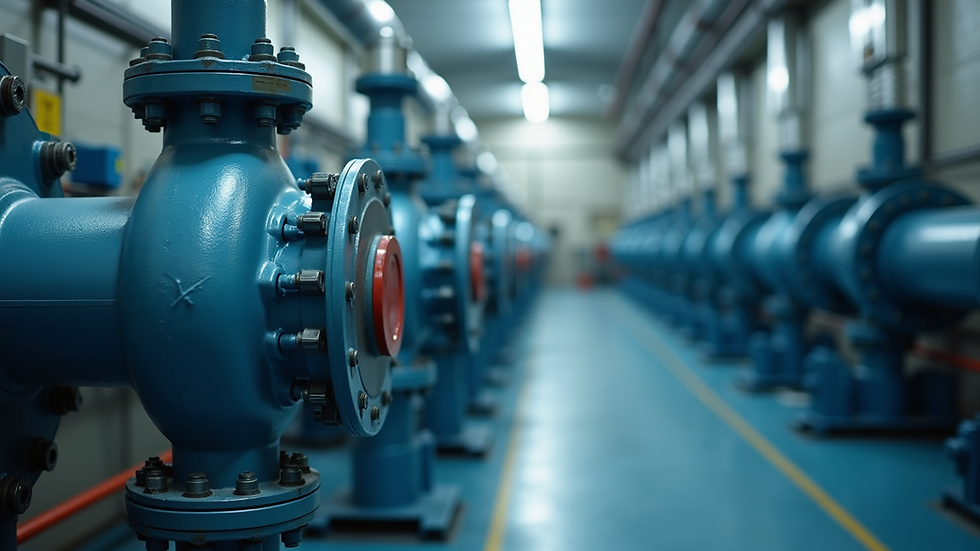
For example, in a water treatment plant, sensors monitor pump vibrations and temperature. AI algorithms detect subtle changes that indicate wear or imbalance. Maintenance teams receive alerts to inspect or replace parts before a breakdown occurs. This proactive approach reduces unplanned downtime and extends equipment life.
The benefits go beyond just avoiding failures. AI predictive maintenance can also:
Lower maintenance costs by reducing unnecessary inspections
Improve safety by preventing catastrophic failures
Enhance asset utilization and production efficiency
Provide actionable insights for continuous improvement
What are the three types of predictive maintenance?
Understanding the types of predictive maintenance helps clarify how AI fits into the bigger picture. There are three main categories:
Condition-Based Maintenance (CBM)
This approach relies on real-time data from equipment sensors. Maintenance is triggered when specific parameters, like temperature or vibration, exceed thresholds. AI enhances CBM by analyzing complex data patterns that humans might miss.
Usage-Based Maintenance (UBM)
Here, maintenance depends on how much the equipment has been used, such as operating hours or cycles. AI can refine UBM by correlating usage data with failure rates to predict optimal service intervals.
Predictive Analytics Maintenance
This is the most advanced form, where AI models use historical and real-time data to forecast failures before any symptoms appear. It combines CBM and UBM data with machine learning to provide highly accurate predictions.
Each type has its place, but AI predictive maintenance strategies combine these methods to deliver the best results. For instance, a chemical plant might use CBM for critical pumps, UBM for conveyor belts, and predictive analytics for complex reactors.
Implementing AI Predictive Maintenance in Your Facility
Getting started with AI predictive maintenance can seem daunting, but breaking it down into clear steps makes it manageable:
Assess Your Assets and Data
Identify critical equipment and check what data is already available. Many plants have sensors installed but don’t fully utilize the data.
Choose the Right AI Platform
Look for solutions tailored to your industry and asset types. Platforms like VersaSolution’s Quantaro offer AI-powered tools designed for water, food & beverage, pharma, utilities, and chemical sectors.
Integrate Sensors and Data Sources
Ensure your machines are equipped with sensors that capture relevant parameters such as temperature, pressure, vibration, and flow rates.
Train AI Models
Use historical maintenance and failure data to train AI algorithms. The more quality data, the better the predictions.
Set Up Alerts and Dashboards
Create user-friendly interfaces for maintenance teams to receive alerts and monitor equipment health in real time.
Continuously Improve
AI models learn and improve over time. Regularly update data inputs and refine algorithms to enhance accuracy.
By following these steps, you can transition from reactive or scheduled maintenance to a smart, data-driven approach that maximizes uptime and reduces costs.

Real-World Examples of AI Predictive Maintenance Success
I’ve seen firsthand how AI predictive maintenance transforms operations. Here are a few examples:
Food & Beverage Plant: A bottling facility used AI to monitor conveyor motors. The system detected early signs of bearing wear, allowing maintenance before a costly breakdown. This reduced downtime by 30% and saved thousands in repair costs.
Pharmaceutical Manufacturer: AI models predicted failures in HVAC systems critical for cleanroom environments. Early interventions prevented contamination risks and ensured compliance with strict regulations.
Water Utility: Pumps and valves were monitored with AI to optimize energy use and schedule maintenance only when necessary. This improved asset lifespan and cut energy bills.
These cases show how AI predictive maintenance strategies can be tailored to different industries and equipment types. The key is to start small, prove value, and scale up.
Looking Ahead: The Future of AI Predictive Maintenance
The future of AI predictive maintenance is bright and full of potential. Here’s what I expect to see in the coming years:
Greater Integration with IoT and Edge Computing
More devices will be connected, and AI processing will happen closer to the equipment, enabling faster decisions.
Advanced Machine Learning Models
AI will become better at handling complex systems with multiple interacting components, improving prediction accuracy.
Automated Maintenance Actions
AI won’t just predict failures but also trigger automated responses, such as adjusting machine settings or ordering replacement parts.
Cross-Industry Collaboration
Sharing data and insights across industries will accelerate innovation and best practices.
Sustainability Focus
Predictive maintenance will help reduce waste, energy consumption, and environmental impact by optimizing asset use.
By embracing these trends, facilities can stay competitive and resilient in a rapidly evolving industrial landscape.
If you want to explore how to implement these advances, I recommend checking out predictive maintenance strategies that are already making a difference worldwide.
AI predictive maintenance is no longer a futuristic concept. It’s a practical, proven approach that can revolutionize how we manage industrial assets. By adopting AI-powered tools and strategies, you can reduce downtime, cut costs, and improve operational efficiency. The future is here, and it’s powered by intelligent maintenance.


Comments